Hand-painted to orderTrade pricing from one pieceWhatsApp: usually instant replies

WhatsAppsupport@palettemomento.com

Hand-Painted to Order  ·  Trade Pricing From One Piece  ·  WhatsApp: Usually Instant Replies
Wabi-Sabi

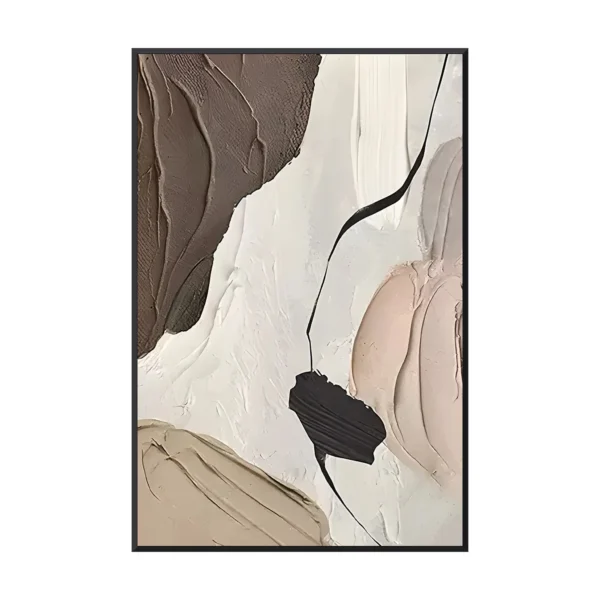
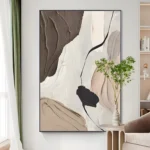
Beige and peach textured wabi-sabi canvas WA07
Trade pricing on request
You may also like
Sizes made to order 14 standard
  • 24"Hx 20"W61 x 51 CM
  • 32"Hx 24"W81 x 61 CM
  • 36"Hx 24"W91 x 61 CM
  • 40"Hx 30"W102 x 76 CM
  • 48"Hx 32"W122 x 81 CM
  • 48"Hx 36"W122 x 91 CM
  • 54"Hx 36"W137 x 91 CM
  • 54"Hx 40"W137 x 102 CM
  • 60"Hx 40"W153 x 102 CM
  • 64"Hx48"W163 x 122 CM
  • 72"Hx 48"W183 x 122 CM
  • 72"Hx 54"W183 x 137 CM
  • 80"Hx 53"W203 x 135 CM
  • 80"Hx 60"W203 x 153 CM

Any size outside this list is produced to your dimensions at the same rate.

Finish
Rolled CanvasRolled Canvas
Frameless StretchedFrameless Stretched
Black FrameBlack Frame
White FrameWhite Frame
Wood FrameWood Frame
Silver FrameSilver Frame
Gold FrameGold Frame
Minimum order
None. Trade pricing from one piece.
Production
7 to 10 business days for 1 to 5 pieces, 10 to 15 for 6 to 20, 15 to 20 for 21 to 50, 20 to 30 for 51 to 100.
Delivery
Prices are EXW our Shenzhen studio. Collect with your own forwarder, or ask us to arrange freight and we quote it separately.
Made
Hand-painted in oil and acrylic on canvas. Nothing printed, nothing stock.
Customization
Color match, your own reference or photograph, added personal elements.
Get a Quote on WhatsApp

WhatsApp: usually an immediate reply. Email: usually within 12 hours.

Or email support@palettemomento.com

Working with our studio

We paint every piece to order in Dafen, Shenzhen, so the size, the palette and the finish are all decided by your project rather than by what happens to be in stock. You see photographs of the finished canvas before it ships, and nothing leaves the studio until you approve it. Trade pricing starts at one piece, and the rate improves as the count goes up.
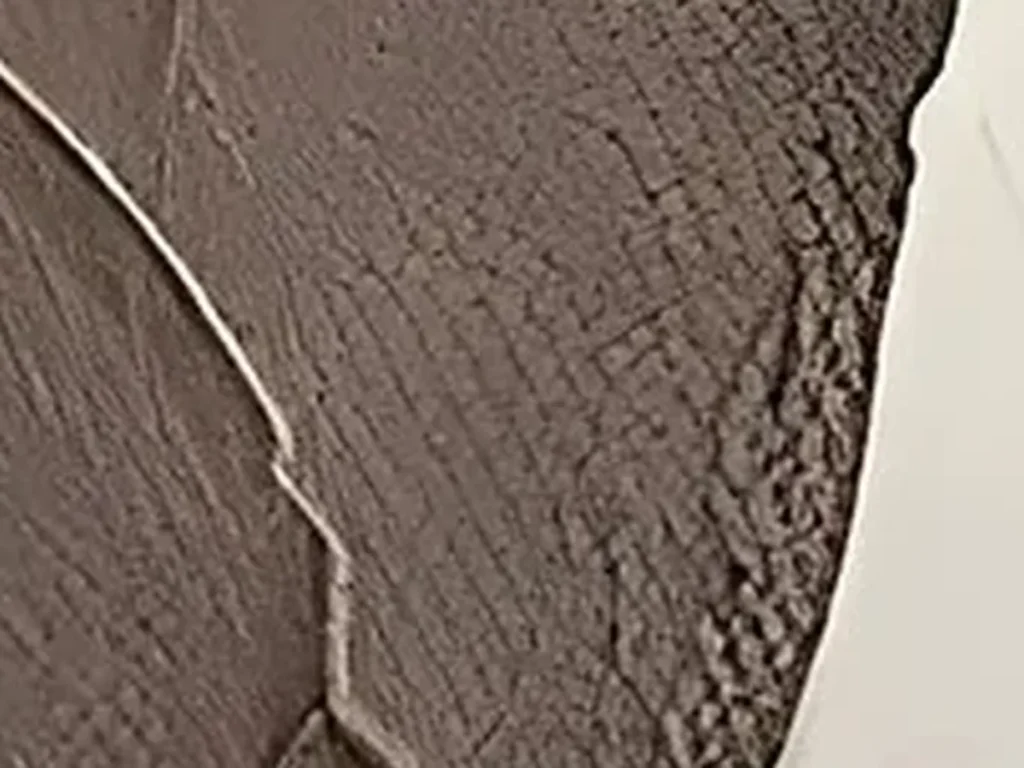
Close-up of the trowel ridges and blush pull marks on wabi-sabi canvas WA07

Four earth tones and one black line

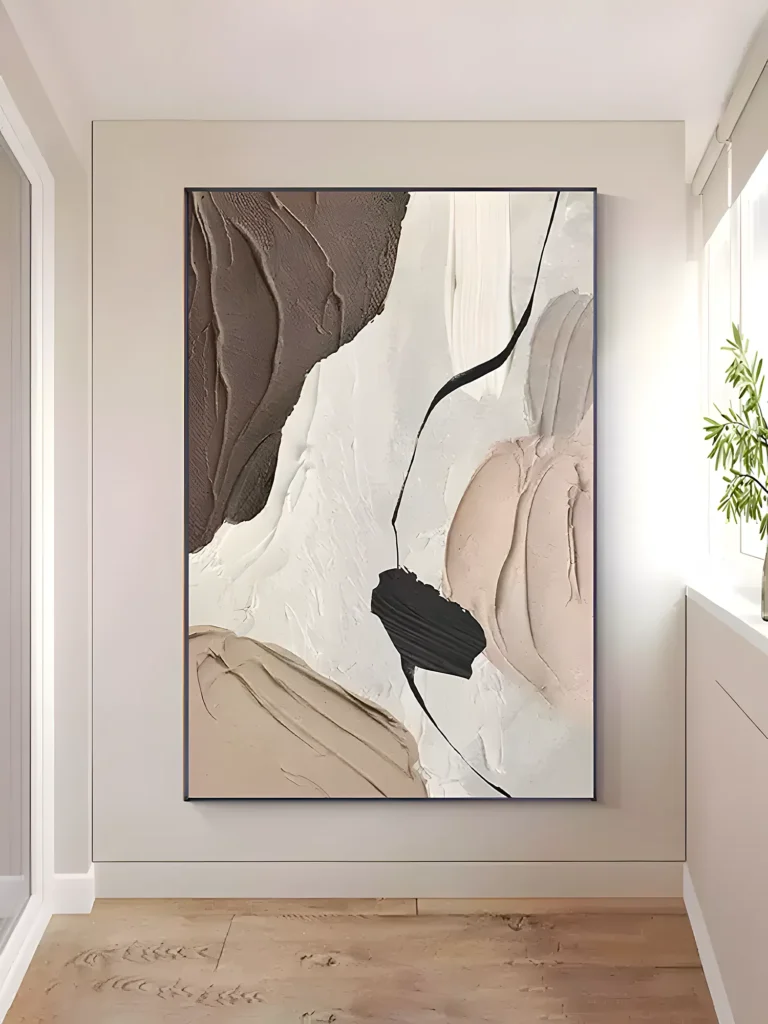
The palette of this wabi-sabi canvas is deliberately narrow. It holds a field of deep chocolate brown, a wide passage of warm cream, rounded forms in soft blush peach, and a patch of sandy greige at the base. Each area is laid on thickly with a trowel, so the surface carries the ridges of a plastered wall. Through the middle, a single thin black line wanders from the top edge down to one short black knife stroke at the center. Those two small dark accents give the quiet colors their structure. They are what keeps the composition from dissolving into softness.

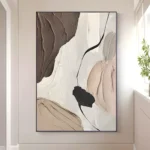
Textured wabi-sabi canvas of cream, tan, and peach thick paint with a cocoa brown top corner, on the sunlit cream wall of a hallway beside a bright window and a green potted plant on the sill

Beige wabi-sabi wall art for calm rooms

This is a piece for the rooms where you want the volume turned down. Its cream and beige tones sit naturally against warm white, oatmeal, or greige walls. The plaster-like relief reads best in soft side light, where every ridge casts a faint shadow. It belongs in Japandi and organic modern interiors, next to natural wood, linen, and stone. It works especially well in a bedroom, above an entryway console, or along a hallway that needs warmth without added color noise.

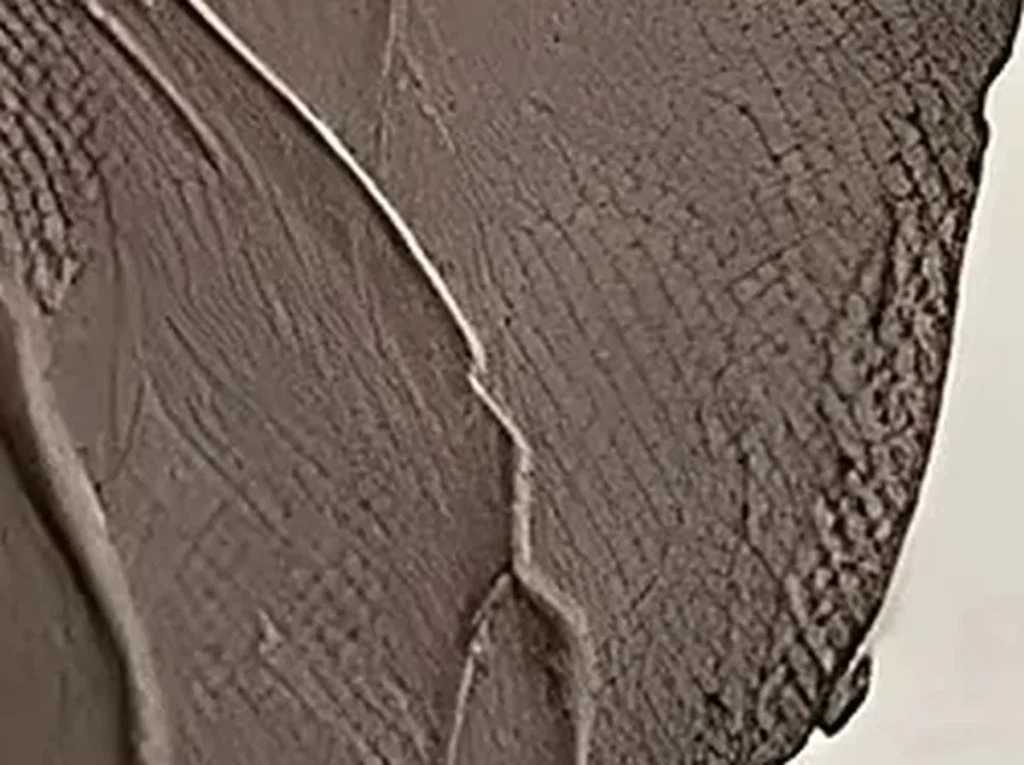
Extreme close-up of the plaster relief surface on beige wabi-sabi painting WA07

Real plaster relief, not printed texture

Run a light across this canvas and the surface answers. The trowel ridges in the brown field throw real shadows, while the blush forms still show the pull marks where the paste was shaped by hand. A printed "texture look" canvas stays flat under the same light. The difference matters more in a piece this quiet than anywhere else, because here the texture is doing the work that color usually does. Each canvas is painted to order. You approve photos of your own before it ships.

Why wabi-sabi textured wall art is having its moment

The chocolate brown, cream, and blush fields of this canvas are thick, matte, and visibly worked by hand. They belong to a look that has moved to the center of Western interiors. After years of flat, hard-edged minimalism, rooms have swung toward surfaces with warmth and irregularity, from limewashed walls to raw linen. Trend trackers have put numbers on the shift. Design coverage in 2025 reported searches for japandi interiors up more than 150 percent, with wabi-sabi wall decor rising close behind, and Google Trends shows the japandi category still climbing into 2026. The aesthetic behind all of it is wabi-sabi, the Japanese idea of beauty in what is imperfect and quietly worn, shaped centuries ago through the tea ceremony masters Murata Shukō and Sen no Rikyū. This painting is what the idea looks like in paint rather than plaster or clay. One distinction is worth keeping. Wabi-sabi is not minimalism, which works by removing. This canvas keeps the traces of the hand that made it.

Where this beige plaster painting fits the trend

This canvas follows the vocabulary closely, with earth tones instead of bright color, thick matte texture instead of gloss, and organic shapes that look settled rather than arranged. The tool marks are left visible on purpose. In the brown field you can see the drag of the trowel. Along the cream passage the paste thins out, then thickens again the way plaster does on a real wall. Nothing about the surface pretends to be perfect, which is precisely what the style asks for.

The composition of this earth-tone abstract canvas

The composition balances three weights. The dark brown mass enters from the upper left, the blush forms stack along the right edge, and the sandy greige field rests at the base. The cream ground flows between them in a rough diagonal, while the thin black line travels down through it like a seam. Cover that line with your hand and the painting turns noticeably softer. That single dark thread is what gives four gentle colors their tension. It is also a useful example of how little a wabi-sabi composition actually needs.

How this textured plaster canvas is made

A relief surface like this one is built in stages, and each stage has a job. The canvas is primed with gesso first, which gives the heavy paste something to grip and protects against cracking later. The broad fields go on next with a trowel, in thick plaster-like layers that must dry before the next pass sits on top, so the ridges keep their shape instead of slumping together. The thin black line is among the last marks made, drawn over a fully dried ground. Work like this cannot be hurried. Layers dry between sessions, the finished piece needs a final cure before packing, and that patience is exactly what a printed texture-look canvas skips. In raking light the difference is obvious, because these ridges throw real shadows.

Choosing walls and light for wabi-sabi decor

Quiet art asks for a quiet wall. Warm white, oatmeal, and greige let the cream and beige tones breathe, while a strong cool white can make them look dull by comparison. Materials matter as much as paint. Wood, linen, rattan, and stone continue the palette naturally, whereas chrome and high gloss work against it. If you are building wabi sabi wall decor room by room, let this piece set the tone, then choose textiles a shade or two away from its cream and blush.

Pairing and sizing

Searching for the right neighbor for this beige and peach textured canvas? The rust and cream wabi-sabi canvas (WA02) echoes the same warm tones and knife-built texture, so the pair feels closely related. For a cooler note, the cream and charcoal plasterwork (TA08) brings a soft gray contrast that lets this warm piece glow.

For placement above a sofa or sideboard, choose a width about two-thirds of the furniture's width, so the wall looks balanced. Hang it with the center around 57 to 60 inches from the floor. We paint every size to order, and you approve photos of the finished piece before it ships.

Frequently asked questions

What is wabi-sabi wall art?

Wabi-sabi wall art applies the Japanese aesthetic of imperfect, understated beauty to canvas, with earthy palettes, visible texture, and compositions that feel found rather than designed. Our guide to wabi-sabi art covers the history, plus how to use it at home.

Can I adjust the colors of this painting?

Yes. The blush can lean warmer or cooler, the brown can deepen toward espresso, and the overall contrast can be softened or strengthened. Each canvas is painted to order, so tell us the direction you want. We will match it.

What wall color goes with beige and peach wabi-sabi art?

Warm white, oatmeal, and greige are the safest companions, because they stay in the same soft register. Test a swatch in your own light first, since beige tones shift noticeably between daylight and lamplight.

Which rooms suit this calming textured canvas?

Bedrooms, entryways, and hallways first, where a calm first impression matters most. It also works in a living room that leans Japandi or organic modern, where the texture can be appreciated up close.

Is there a minimum order for this textured wabi-sabi canvas?

No minimum, and trade pricing applies from the first piece. Quiet neutral pieces like this are often ordered in quantity for rental and staging work, and a full run can be cured and painted as one batch so the surfaces match.

How do I care for the plaster texture?

Dust it occasionally with a dry, soft brush. Avoid damp cloths on relief surfaces. Keep the canvas out of prolonged direct sun.

Will my canvas match the photos exactly?

Very closely, though not stroke for stroke. Each piece is painted by hand, and in wabi-sabi that slight variation is part of the point. You approve photos of your own canvas before it ships.

What size works above a console or a bed?

About two thirds the width of the furniture is the reliable rule. This vertical design also suits narrow walls at full height, where the open composition keeps a large size from feeling heavy.

Trade specification

How this piece is made and supplied

Made
Hand-painted to order in our studio in Dafen Art Village, Shenzhen. Nothing printed, nothing held in stock.
Sizes
Any size and any orientation. If the size you need is not listed on this page, we paint to your measurements at the same rate.
Materials
Artist grade oil and acrylic on cotton, poly cotton or premium linen canvas, mounted on solid wood bars.
Finishes
Rolled in a tube, stretched frameless, or framed in black, white, wood, silver or gold. All five frame colors are one price.
Make it yours
Any design in the catalog can carry your own elements. Shift the palette to a scheme, add a small detail, or work from your own reference or photograph.
Before it ships
We photograph every finished canvas and send it to you. Nothing leaves the studio until you approve it.
Trade terms
No minimum order and trade pricing from one piece. Prices are EXW our Shenzhen studio, so freight is quoted separately once we know where the work is going.
Get a Quote on WhatsAppWhatsApp: usually an immediate reply. Email: usually within 12 hours.