A real client commission
Textured Cascading Floral Painting: Layers, Palette-Knife Petals and Framing
The client commissioned a cascading floral painting with pale yellow, blue and lilac blossoms against a blue-violet background. The commissioned canvas measures 60 cm wide × 90 cm high. The commission photographs follow the painted composition from broad color to layered flowers. Alongside that sequence, separate close-up records of the same design show how palette-knife petals are shaped, with a framed view completing the presentation.
60 cm wide × 90 cm high · One floral design · Progress photographs · Palette-knife details · Framed presentation
Laying out the color before the small petals
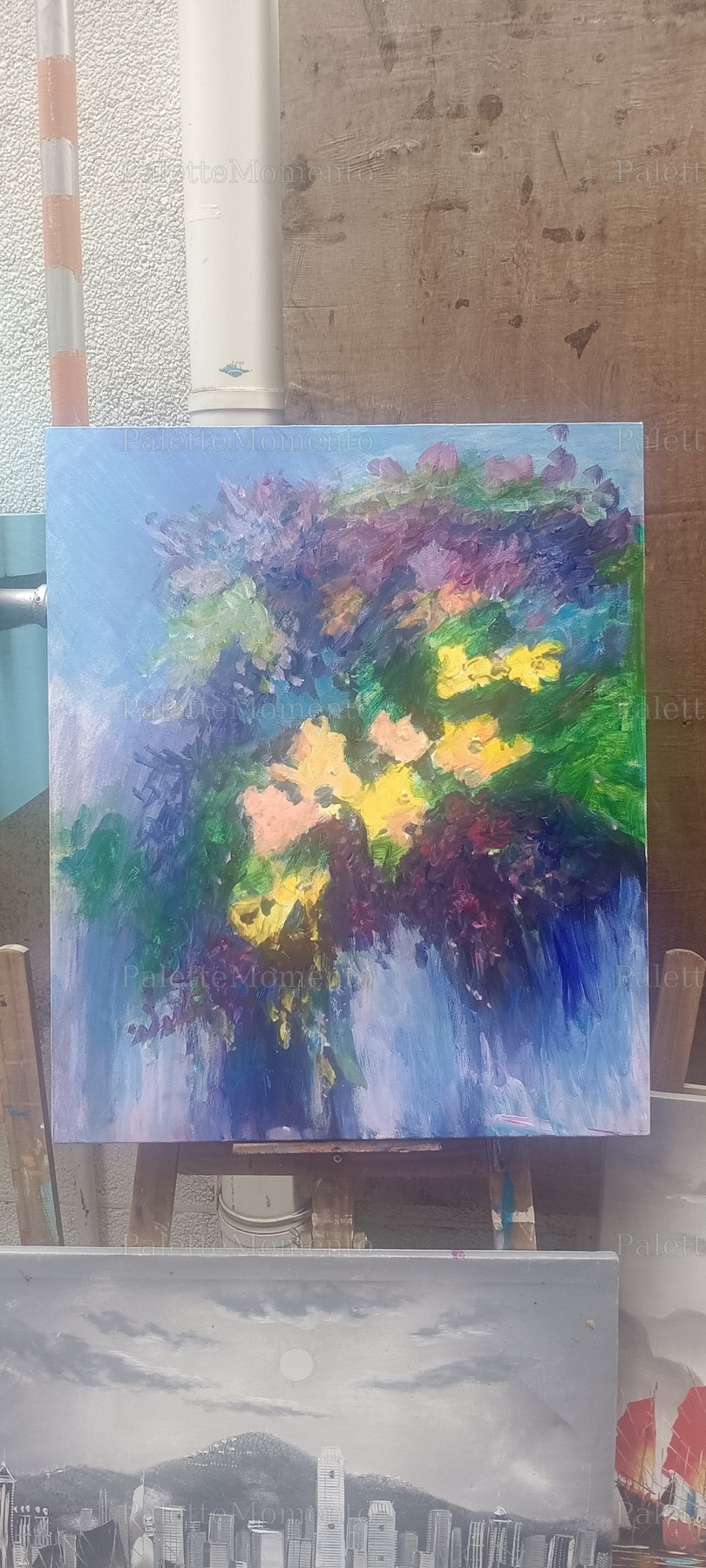
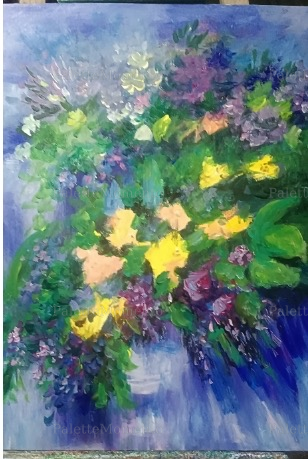
The early canvas contains broad yellow and peach flower shapes, dark violet clusters and green foliage. Much of the paint is still expressed as loose, directional marks.
At this point, the main task visible in the photograph is the arrangement: where the warm flowers sit, where the darker passages fall, and how the blue background surrounds them. The many small pale blossoms of the later view are not yet present.
Turning broad patches into a connected floral arrangement
The next retained photograph shows more distinct leaves and lighter marks among the flowers. Green shapes connect the larger blooms, and smaller touches begin to break up the darker clusters.
The composition is becoming more intricate, but it still has open passages between the larger flower shapes.
Building the small blossoms and raised petal edges
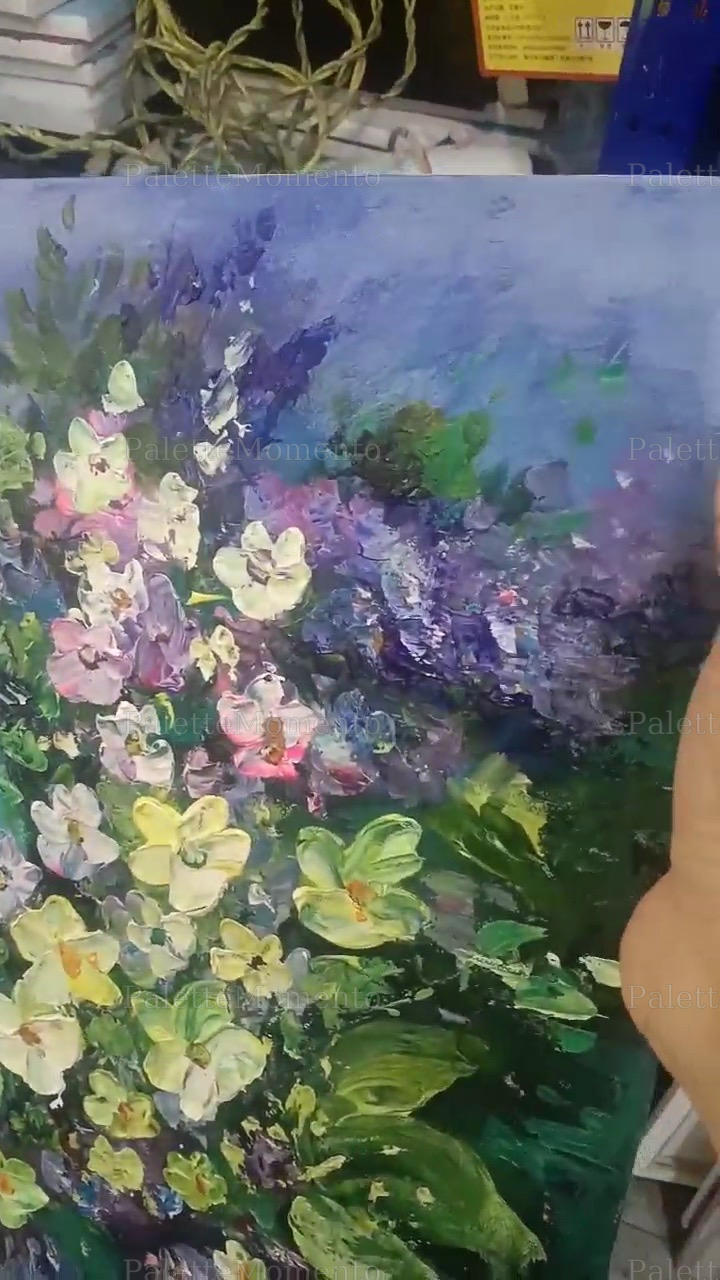
In the developed painting, many separate pale petals sit over the green and violet passages. Some make larger open flowers; others form small clusters that carry the cascade down the canvas. The effect depends on both the painted color and the physical edges of the paint.
More to discover at a closer distance
The broader blue and green areas give the flowers their setting. The pale raised edges provide a different kind of detail: uneven rims, overlapping marks and small shadows within the paint.
Those surface changes are part of the hand-painted canvas itself. A flat image can show the arrangement, while the original painted surface also carries the height and direction of each mark.
Palette-knife study: shaping the raised petals
A separate set of recordings shows this floral design at close range. The images below document the technique rather than the next step in the progress sequence above: yellow-green color is worked on the palette, then a knife meets a bright petal beside darker foliage and violet flower marks.
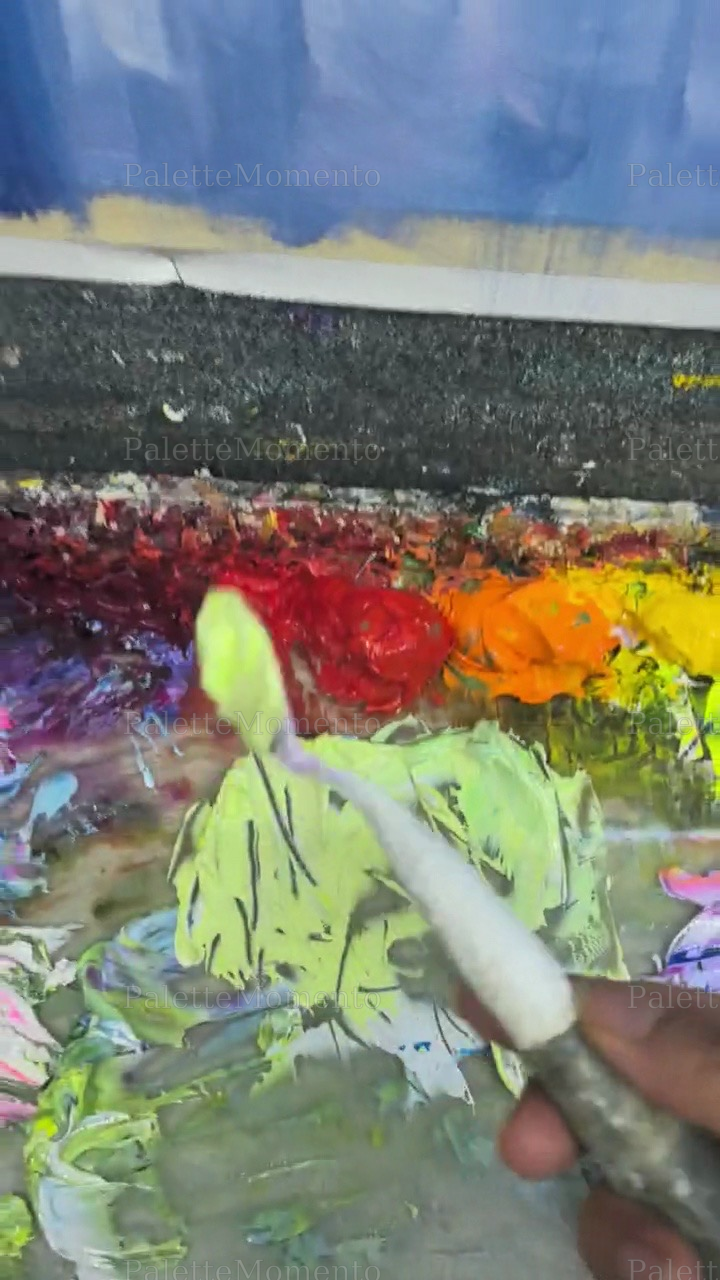
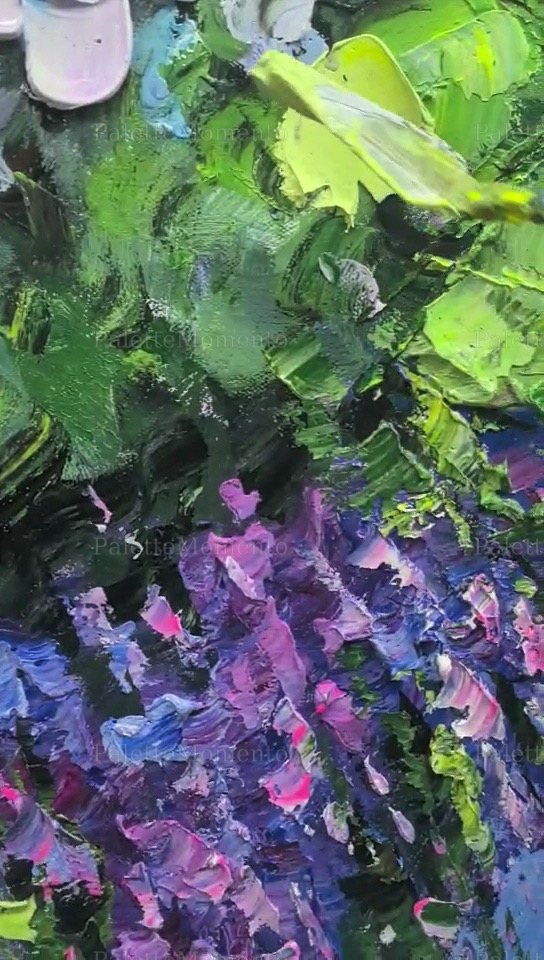
The broad face of the blade spreads the paint, while its edge helps define the petal rim. The visible ridges and overlaps are what give these flowers a sculpted appearance at close range.
Broad petals, pale clusters and violet trails
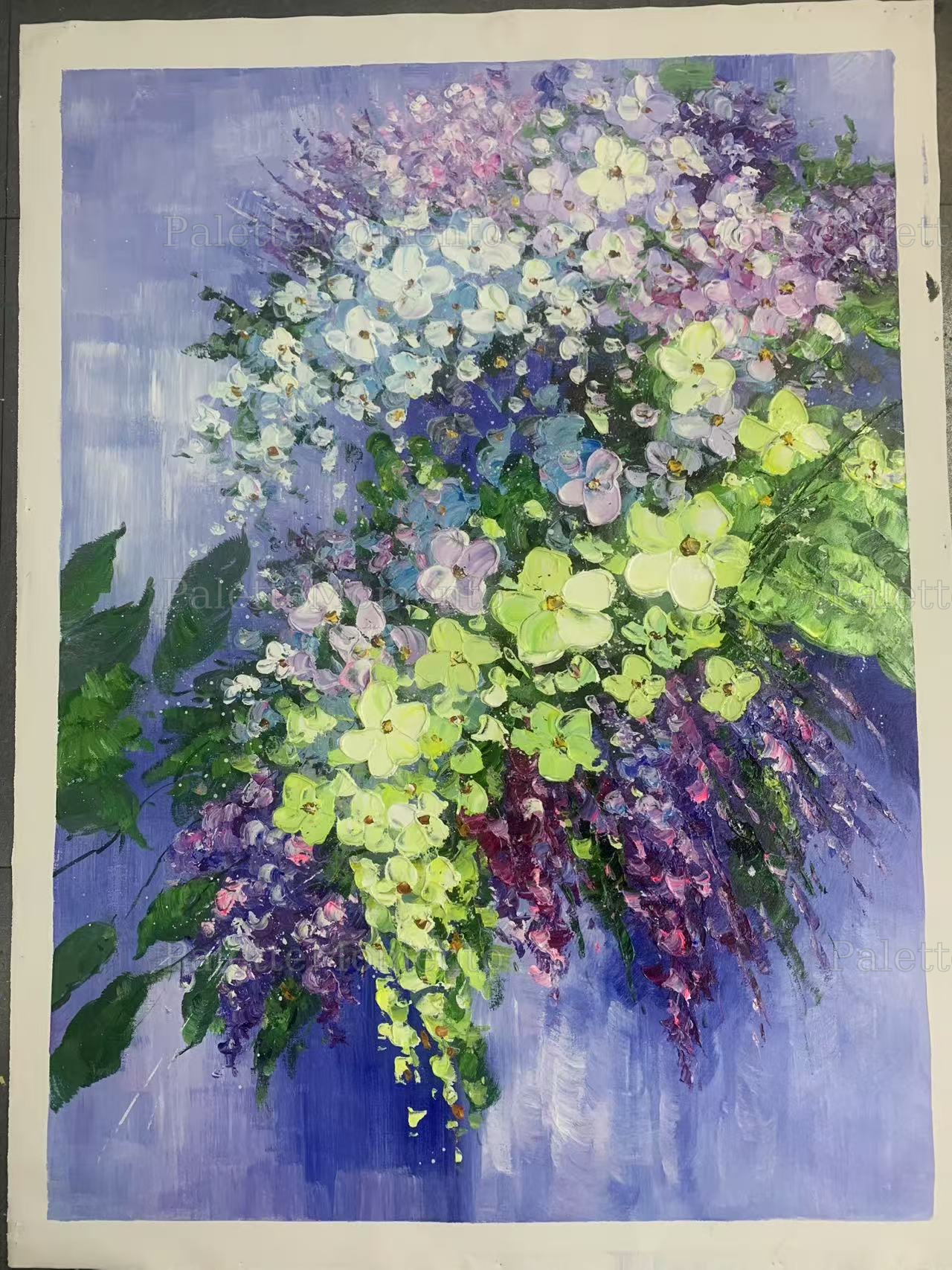
The overall painting brings together different kinds of marks. Broad petals create the main flowers; smaller pale touches fill the clusters; broken violet strokes extend the movement downward. These close-ups come from the same unframed canvas photograph.
The floral design within a slim dark frame
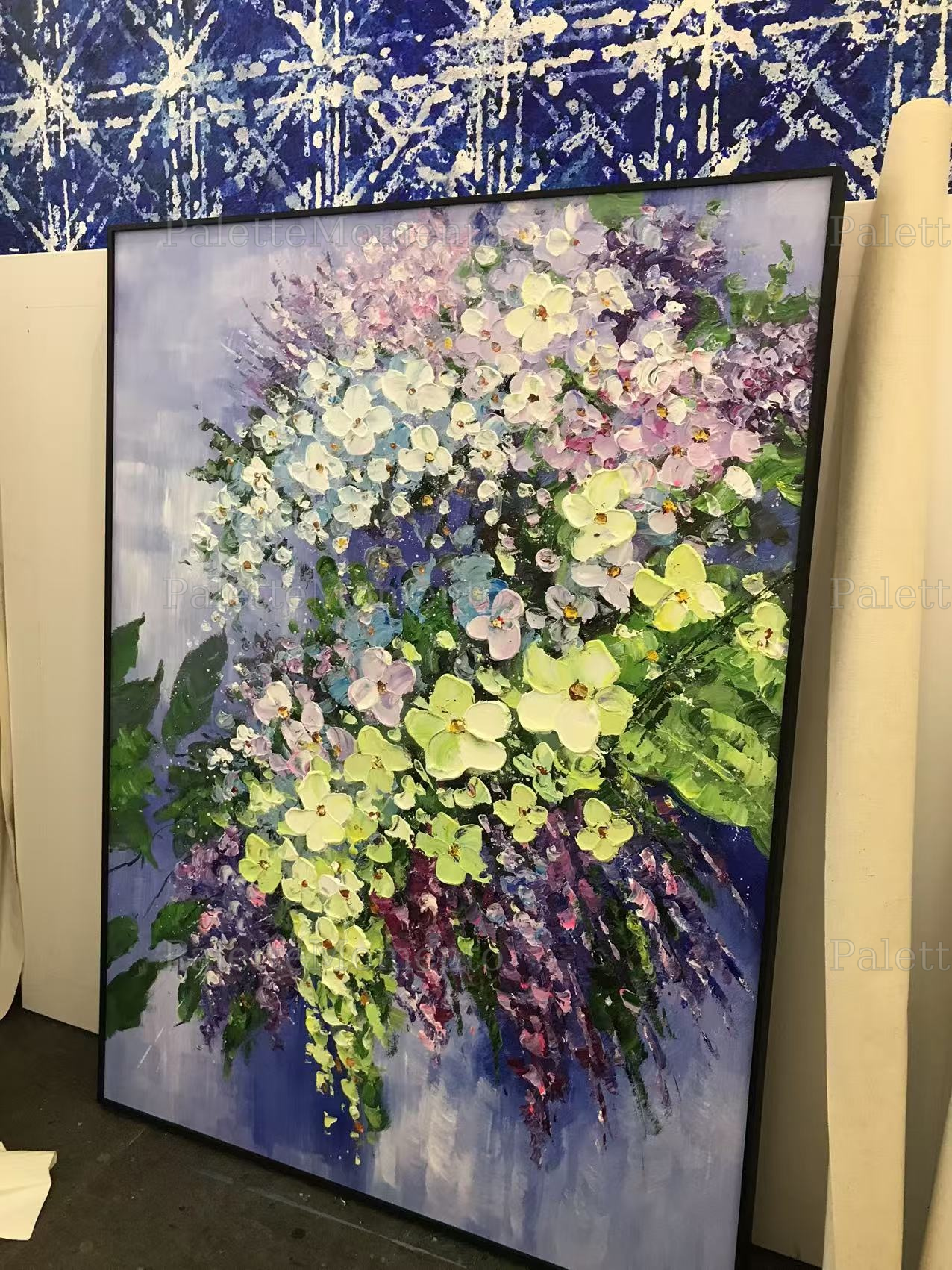
The framing photograph from this second group of records shows the floral design within a slim dark border. The frame contains the loose outer marks without covering the flowers at the center.
Viewed as a whole, the painting reads as a cascade of light flowers. Seen nearby, its raised petals and directional knife marks become a second part of the experience.
A flow of flowers across a cool blue ground
The flowers are arranged in an uneven sweep rather than a neat circular bouquet. Larger pale blooms give the eye places to pause, while smaller marks connect them into trailing clusters.
Areas of blue remain open around the outside. That breathing room lets the detailed blossoms stand apart from the softer background.
Your own painting
What would your floral cascade look like?
Share the colors you want to bring into the room, a reference you like and your preferred canvas width and height. We can discuss the balance between loose background marks, recognizable blossoms and more pronounced petal texture.
Discuss your painting on WhatsAppWhatsApp: usually an immediate reply.
Email: usually within 12 hours.
support@palettemomento.com